
Short answer
When is the best time to build a house in Delhi? In Delhi, plan so that excavation and foundations are not done in saturated monsoon soil and the roof slab is cast in dry weather. The post-monsoon months and early spring are commonly chosen, but winter air-quality orders in Delhi-NCR can pause dust-causing work, so check the current rules before you fix a start date.
On this page (12)
- When is a good time to build a house in Delhi?
- Why does the monsoon change the plan?
- Monsoon, winter, summer or spring: what changes on site?
- Can pollution or dust-control rules stop construction in Delhi-NCR in winter?
- Can I build during the rainy season?
- How do other regions of India differ?
- What should be ready before you break ground?
- How do I schedule the work so the slab is cast in dry weather?
- What about muhurat, and does it matter for the building?
- Frequently asked questions
- Related guides
- Sources
There is no single best month to build a house in Delhi. There is a best order of work: keep the ground and the concrete dry while they matter most, and fit each stage into the season that suits it. This page explains how the seasons change the work, and what to check before you fix a start date. It is general guidance for Delhi and north India, not a programme for your plot.
When is a good time to build a house in Delhi?
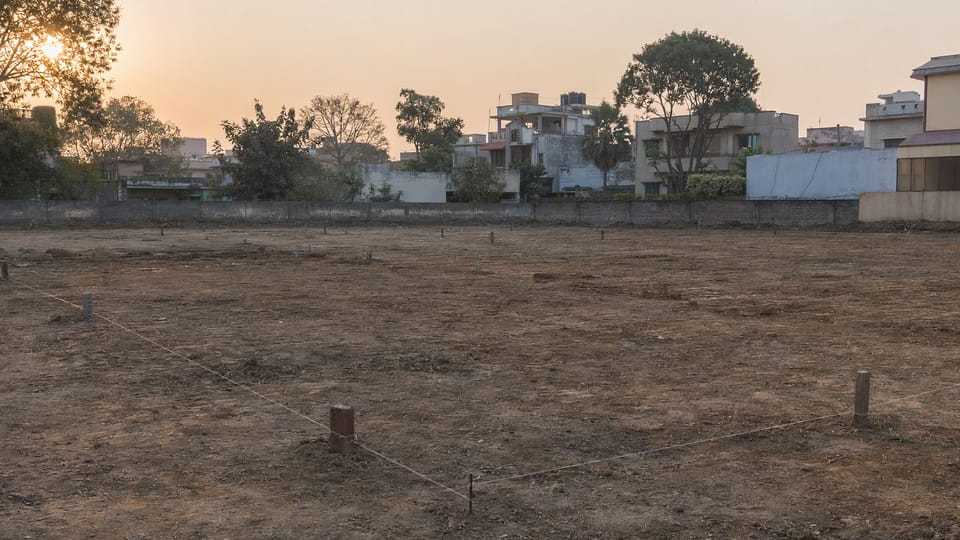
Most Delhi builders aim to finish excavation, the foundation and the plinth when the ground is dry, and to cast the roof slab in dry weather, not in the monsoon. The post-monsoon months in autumn and the early-spring months are the windows most often chosen, because the soil has drained and the weather is mild. Your own date also depends on your drawings, your approvals, your contractor and your family, so treat the seasons below as a guide, not a rule.
Why does the monsoon change the plan?
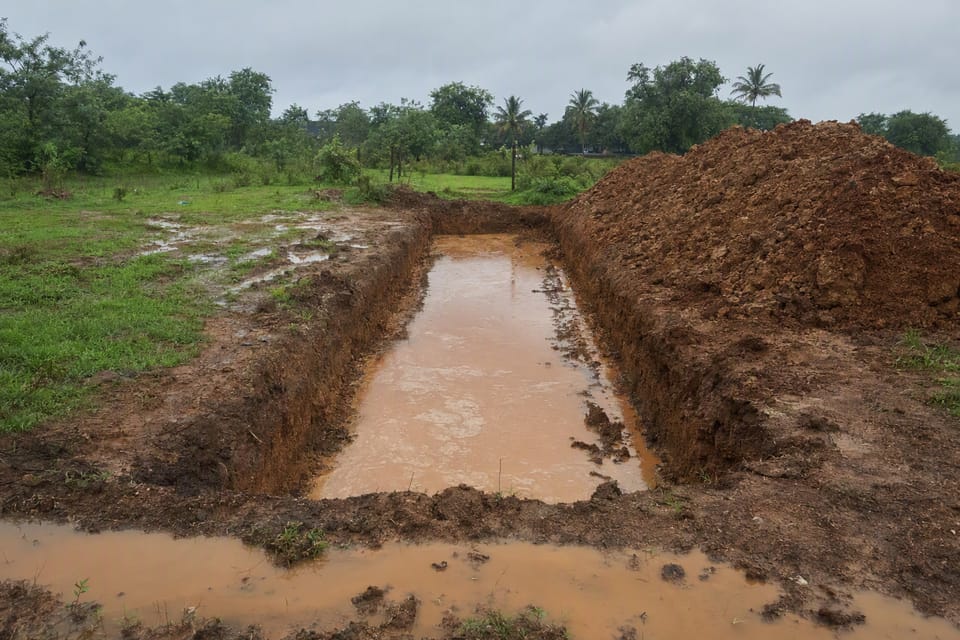
Water is the enemy of an open excavation. Rain fills trenches, softens the soil, makes the sides collapse and leaves mud that has to be removed before concrete is poured. Rain on freshly placed concrete washes out cement, and cement and steel stored in the open get wet and spoil. Delhi’s monsoon runs roughly from July to September.
Work does not have to stop for the whole season, but it needs more care and often more cost. Excavation and foundations are the stages that suffer most. If your plot has to be dug in the monsoon, ask your engineer how the trench will be drained and protected.
Monsoon, winter, summer or spring: what changes on site?
The table compares the seasons in general terms. It has no month-by-month dates, because the weather changes from year to year.
| Season | What suits it | What to watch |
|---|---|---|
| Monsoon (roughly July to September) | Work under cover, materials planning, ordering | Waterlogged trenches, wet cement and steel, rain on fresh concrete |
| Post-monsoon (autumn) | Excavation, foundation, plinth, columns | Labour shortages around festivals, early dust-control orders |
| Winter | Brickwork, plaster and interior work | Cold slows strength gain, fog delays work, air-quality orders can pause dust-causing work |
| Spring | Roof slab and structure before the monsoon | Plan the slab date well ahead of the rains |
| Summer | Dry weather for concrete and masonry | Fast drying and cracking, so curing needs more water and attention, and heat limits working hours |
Hot-weather and cold-weather concreting have their own Indian Standards, IS 7861 Part 1 and Part 2. Your engineer or contractor should follow them when the temperature is extreme.
Can pollution or dust-control rules stop construction in Delhi-NCR in winter?
Yes, they can. In the late-autumn and winter months, Delhi-NCR has repeatedly had air-quality emergencies, and in those periods the authorities have restricted dust-causing construction work for days at a time. The Commission for Air Quality Management in NCR and Adjoining Areas publishes the orders that apply.
The rules change from year to year, so this page does not list dates or stages. Before you fix a start date, check the current orders with the Commission and your local body, and ask your contractor how a pause would affect the programme. Plan the dusty stages, such as excavation and demolition, so that they do not depend on one tight winter window.
Can I build during the rainy season?
You can, with care. Many projects continue through the monsoon on stages that are not harmed by rain, such as work under cover. If you must dig or cast in the rain, ask your engineer for a plan that covers drainage of the site, covers for stacks of cement and steel, and a rule that no slab is concreted in the rain. Concrete poured in a downpour can lose strength.
How do other regions of India differ?
Not every city has Delhi’s pattern. Most of India gets its main monsoon between June and September, but the east coast of Tamil Nadu gets most of its rain between October and December, and hill areas have their own snow and rain seasons. If your plot is outside Delhi, ask a local engineer for the local pattern.
What should be ready before you break ground?
- An approved plan and the permissions your local body requires.
- A soil report or your engineer’s advice on the foundation.
- A written stage-wise programme from your contractor, showing the dates of the foundation, the plinth and the roof slab.
- A drainage plan for rainwater, and a pump for the trench.
- Covered, raised storage for cement, and a dry place for steel.
- Water for curing on site, and a plan for shade or covers in hot weather.
How do I schedule the work so the slab is cast in dry weather?
Start from the date you want the roof slab cast, and work backwards through the stages in your contractor’s programme. Add a margin for delay, because every stage tends to take longer than planned. If the slab then falls in the monsoon, move the start date, not the quality of the work. The curing that follows the slab matters as much as the casting, and the way to look after fresh concrete is explained in the guides on cement and concrete, starting with OPC vs PPC vs PSC cement: which one for your house?
What about muhurat, and does it matter for the building?
Many families choose an auspicious day for the bhoomi pujan. That is a tradition and a personal choice, and it does not change how concrete or brickwork behaves. Pick the date that suits your family, but let the weather and your engineer’s programme decide when structural work begins.
Frequently asked questions
Can I lay a foundation in the monsoon?
You can, but it needs more care. A trench filled with rain must be drained and cleaned before concrete is poured. Ask your engineer first.
Is summer a bad time to build in Delhi?
Dry weather helps, but fast drying and heat can crack plaster and concrete. Curing needs more water and attention.
Can construction be stopped in Delhi-NCR because of pollution?
Yes. Dust-causing work has been restricted for periods in the winter months. Check the current orders before you plan.
Does muhurat affect construction quality?
No. It is a tradition. The quality depends on materials, workmanship, curing and supervision.
How long before the monsoon should the roof slab be done?
Cast it early enough that it has cured before heavy rain. Ask your engineer how many days of curing your slab needs.
Does the best month differ outside Delhi?
Yes. The monsoon starts and ends at different times in different regions, so ask a local engineer.
Related guides
This guide is general information. Read the disclaimer and ask a licensed engineer to fix your programme.
Sources
- India Meteorological Department, monsoon information for Delhi
- Commission for Air Quality Management in NCR and Adjoining Areas, current orders on construction and dust control
- IS 7861 (Part 1 and Part 2), Code of Practice for Extreme Weather Concreting (hot weather and cold weather)
General information only. It is not a structural design or professional advice. Ask a licensed structural engineer or architect to check your plans and site.