
Short answer
What is the difference between CPVC and UPVC pipes? CPVC pipe has its own Indian Standard, IS 15778, for potable hot and cold water. UPVC pressure pipe is made for drinking water at ordinary temperature, and it loses strength as the water gets warmer. So use CPVC for hot water lines. Read the marking printed on the pipe, not the colour.
On this page (9)
People often ask if one type of pipe can serve the whole house. The short answer is no, not for hot water. CPVC and UPVC look alike, but they are different materials with different Indian Standards. This page explains which is for what, how to tell them apart, and the joining mistakes to avoid. It gives no prices, no brand ranking and no pressure or temperature ratings. Those are set by the standard and the maker for the pipe you buy.
What is the difference between CPVC and UPVC?
| CPVC pipe | UPVC pressure pipe | |
|---|---|---|
| Indian Standard | IS 15778 | IS 4985 |
| What the standard title says | Potable hot and cold water distribution supplies | Potable water supplies |
| Hot water | Made for it | Not meant for it |
| Typical use in a house | Hot and cold water lines | Cold water lines |
IS 15778 is written for hot and cold drinking-water pipes. IS 4985 is written for drinking-water supply pipes. The 2000 edition of IS 4985 says its pipes are recommended for water at ordinary temperatures, and that the strength of the pipe falls as the temperature rises. IS 7634 (Part 3), the code for laying UPVC water pipes, covers cold water supplies only. Taken together, this means UPVC pressure pipe should not carry hot water.
One manufacturer, Astral, states the same in plain words: CPVC for hot and cold water, UPVC for cold water and drainage. That is a maker’s statement, not a standard.
Drain and soil pipes are a different product again, made for waste water and not for water supply.
How do I tell CPVC from UPVC?
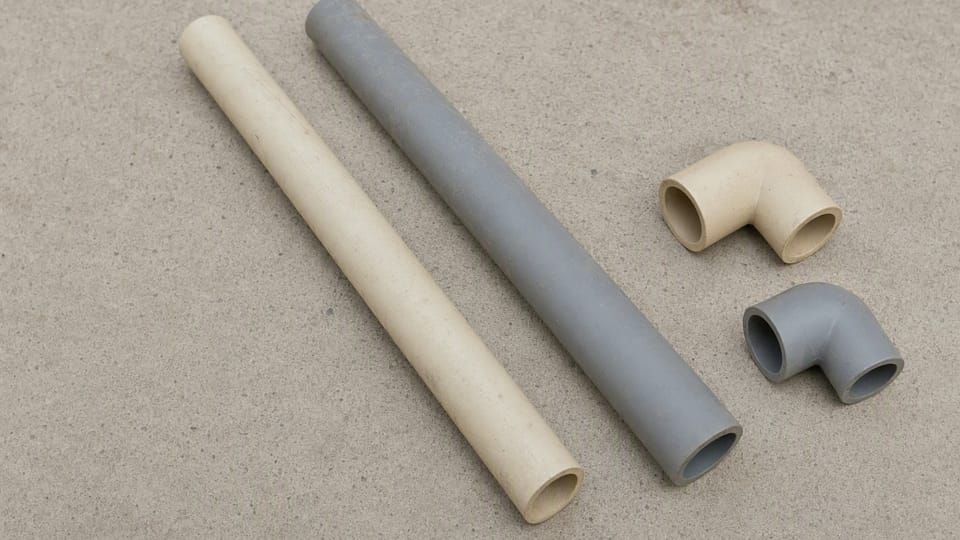
Do not go by colour. Shops often sell CPVC in cream or light yellow and UPVC in white or grey, but the colours in the standards differ from what is sold, and makers use other colours too. IS 15778 requires each pipe to be clearly marked at regular intervals along its length. Read the marking and ask the plumber to show you the material name and the standard number on the pipe. If the marking is missing or unreadable, do not use that pipe.
Can I use UPVC for hot water?
No. UPVC pressure pipe is made for cold water. The standard says its strength falls as the water gets warmer. For a hot water line, use pipe made for it, such as CPVC under IS 15778. If anyone offers UPVC for hot water, ask for the standard number and the maker’s written approval first. We found no standard that supports it.
How are CPVC pipes joined?
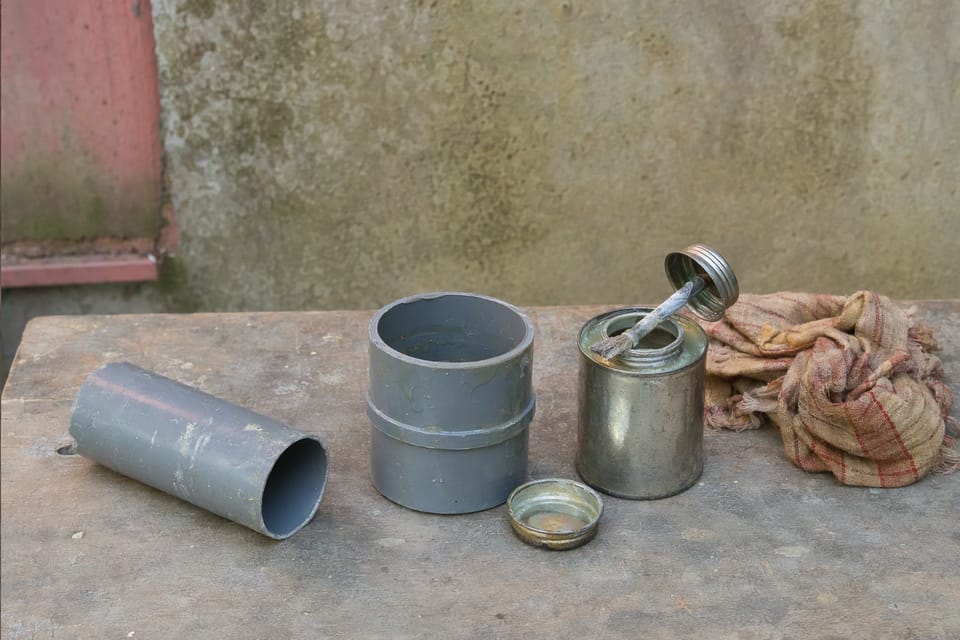
CPVC pipes are normally joined with solvent cement. IS 15778 gives recommendations in its Annex E. They are recommendations, not rules, and the maker’s own instructions come first.
- Use only CPVC solvent cement, as the pipe maker recommends. Do not use the glue for ordinary PVC.
- Cut the pipe ends clean.
- Do not leave excess cement puddled inside the joint. It can weaken the pipe wall.
- Keep the work area ventilated while using solvent cement.
- Fix hot lines loosely, so that the pipe can expand when hot, instead of clamping them tight.
- Keep CPVC pipe away from the flue of a gas water heater. Ask the plumber for the distance the maker requires.
What mistakes should I avoid?
- Using UPVC pipe on a hot line.
- Choosing a pipe by colour.
- Using the wrong glue, or glue meant for another pipe type.
- Leaving above-ground UPVC pipe in direct sunlight. IS 7634 (Part 3) says to protect it.
- Clamping a hot pipe so tightly that it cannot expand.
- Mixing parts from different makers without checking that the maker allows it.
What should I ask my plumber and engineer?
These are questions to ask, and we have no standard rule to give for them:
- Which pipe is used on the hot line, and what is its standard number?
- How will the lines be pressure tested before the walls are closed, and who signs it off?
- Will hot lines be insulated?
- How will pipes buried in walls or the floor be protected?
Leaks in plumbing show up late and cost more to open and repair than to prevent. If you already have a damp patch, see our guide to finding and fixing a leaking water tank.
Frequently asked questions
Is CPVC the same as UPVC?
No. They are different materials with different Indian Standards. CPVC is chlorinated PVC and is made for hot and cold water.
Can I use UPVC for the cold water lines?
Yes, UPVC pressure pipe is made for cold potable water. Check the marking and the standard number on the pipe.
Is CPVC safe for drinking water?
IS 15778 is a standard for potable (drinking) water pipes. Buy pipe that carries the standard marking and ask the maker for proof.
Can I use the same solvent cement for both?
No. IS 15778 says to use only CPVC cement for CPVC joints. Use the cement the pipe maker recommends.
Does CPVC pipe need to be insulated?
Ask your engineer and plumber. We found no standard rule we could quote.
Related guides
- Water tank leakage: how to find and fix it
- Stages of house construction in India: checklist and inspection points
- Terrace leakage and waterproofing: methods, slope and ponding test
This guide is general information. Read the disclaimer. The choice of pipe, its rating and the joining method for your house are decided by your engineer and the pipe maker’s instructions.
Sources
- IS 15778:2007, Chlorinated polyvinyl chloride (CPVC) pipes for potable hot and cold water distribution supplies - Specification (clauses 1, 9, 12, Annex E)
- BIS record for IS 15778
- IS 4985:2000, Unplasticized PVC pipes for potable water supplies - Specification (clauses 1, 5.1 note). A newer edition exists; the 2021 text was not read.
- IS 7634 (Part 3), Plastics pipework for potable water supplies: laying and jointing of UPVC pipes (cold water supply, protection from sunlight)
General information only. It is not a structural design or professional advice. Ask a licensed structural engineer or architect to check your plans and site.