
Short answer
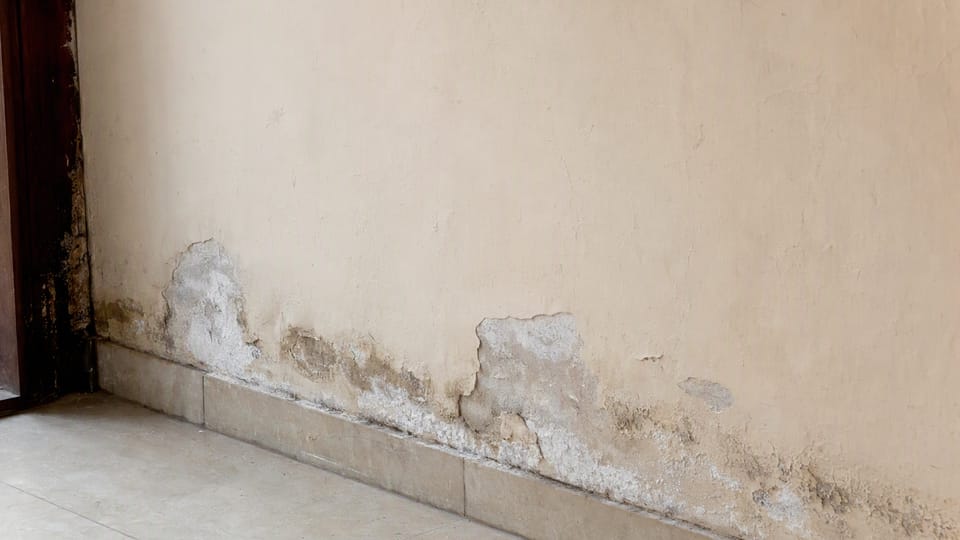
How do I stop damp walls? First find out which kind of damp it is: rising from the ground, water seeping in from outside or from a pipe, or condensation. Fix the source of the water first. Do not paint or putty over a wall that is still damp. A damp-proof course, drainage and leak repairs are design jobs for your engineer.
On this page (9)
A damp wall is a sign, not the problem. The problem is water that is getting in or building up somewhere. Painting over the stain hides it for a few weeks and it comes back. This page explains the three common kinds of damp, how to tell them apart, and what to fix first. It gives no prices, no product names and no thicknesses.
What are the three kinds of damp?
UK building guidance (BRE) groups damp into three types. This is not an Indian standard. We found no Indian standard that gives this list, so we use it as a plain way to think.
| Kind | What it is | Where you often see it (common site experience, not from BRE or IS) |
|---|---|---|
| Rising damp | Moisture rising up the wall from the ground | The lower part of ground-floor walls |
| Penetrating damp, or seepage | Water getting through a wall, roof or joint, or leaking from a pipe | Near a leak, a window, a parapet, a bathroom or the terrace above |
| Condensation | Water vapour from daily use that turns to water on a cold surface | Cold corners and surfaces, with mould and poor ventilation |
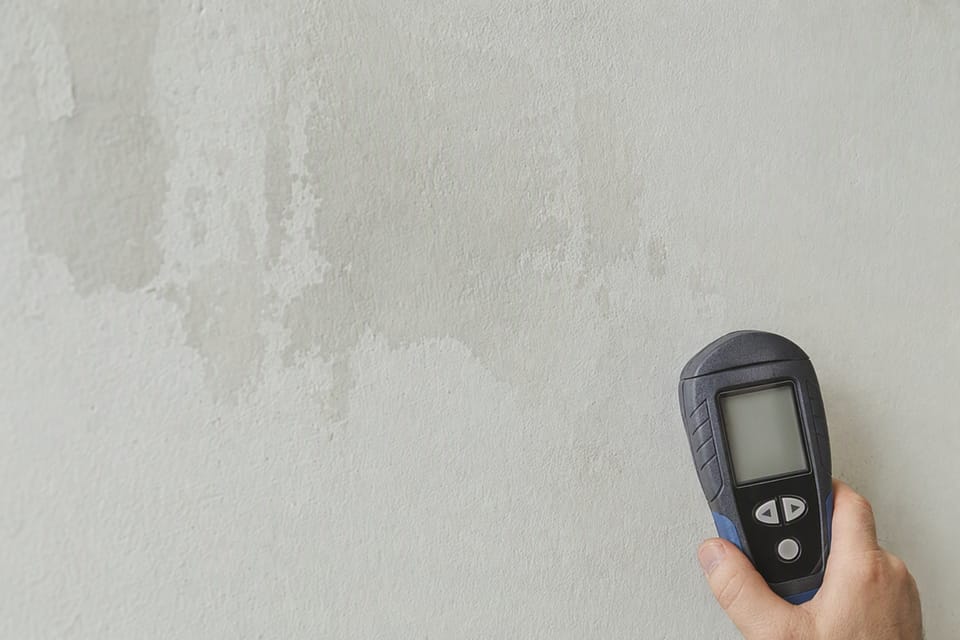
BRE says treatment works only if the type of damp is diagnosed correctly. Looking is the cheapest way, but it is not always reliable. A moisture meter is a starting point, and it can mislead, so the result should be read by someone skilled.
What does Indian standard IS 2212 say about damp-proofing?
IS 2212 is the Indian code of practice for brick work. It says a damp-proof course (DPC) is there to stop water passing from an outside source into a building, or from one part of the building into another. It says a DPC may be needed:
- below the lowest floor level, to stop water entering from the soil;
- above ground level, to stop water rising up the wall;
- at openings and parapets, to stop rain getting in.
It also says walls should have a DPC above the finished ground or plinth protection level, and that the DPC should run without a break along the wall, even under door openings. We print no height or thickness. Those are design details for your engineer. IS 3067 covers the design details and preparation for damp-proofing and waterproofing of new and existing buildings. It is a design code, not a guide to finding the cause of a damp patch.
What is the white powder on my wall?
It is efflorescence. IS 2212 defines it as a powdery crust of salts left behind when water evaporates. It says efflorescence is common on new construction, because construction water brings salts to the surface. It says to let the wall dry, then brush the salt off dry. Do not wash it off, because the salty water soaks back in. Do not clean it with acid, because new salts form. IS 2212 allows a weak acid wash only in special cases, and we do not cover it, so leave any acid treatment to your engineer.
IS 2212 also says that continued efflorescence points to water from a leak or similar source getting into the brickwork. In that case, find the entry of water and stop it.
How do I find the cause?
Ask these questions, in this order. They are practice, so ask your engineer to confirm them for your house.
- Where is the damp? Low on a ground-floor wall points to the ground. Near a window, parapet or sunshade points to rain. Near a bathroom or kitchen wall points to pipes.
- When does it get worse? Worse in or after the monsoon points to water getting in from outside. Worse in cold, humid weather with mould points to condensation.
- Is there a leak? Check pipes, tanks and bathroom floors before you decide it is rising damp. See our guides on water tank leakage and bathroom waterproofing.
- Is the roof above sound? A leaking terrace shows as stains below. See terrace leakage and waterproofing.
- Is the ground outside higher than the floor, or is water collecting at the wall base? Ask your engineer to look at the plinth and the drainage. Our guide to the plinth beam explains the plinth.
What should I fix first?
The rule from UK guidance is to treat causes and not symptoms. Deal with obvious defects first: leaks, drainage, ground levels, ventilation and how the room is used. Then allow time for the wall to dry, watch it, and review before doing any more treatment. We give no drying time, because it varies with the wall and the weather.
What should I not do?
These are practice points, not standard rules. Your engineer should confirm them.
- Do not paint or putty over a wall that is still damp. See our page on wall putty.
- Do not plaster over damp salty brickwork and expect it to last.
- Do not wash off the white salts.
- Do not treat only the inside face when the water is coming from outside.
- Do not buy a product on a promise that it cures damp until your engineer has found the cause. We did not find independent test data for such promises.
Frequently asked questions
Is damp the same as a leak?
Not always. A leak is one cause of damp. Rising damp and condensation have no pipe leak.
Is the white powder on a new wall a problem?
IS 2212 says it is common on new construction and should be left to dry and brushed off dry. If it keeps coming back, water is entering the wall.
Does a damp-proof course stop rising damp?
A DPC is made to stop water rising up a wall. Its position and details are design work. Ask your engineer, and have it checked on site before the plaster goes on.
Can I paint a damp wall?
Not until the wall is dry and the cause is fixed. In practice, paint over a damp wall tends to peel. Ask your engineer.
Is condensation a building fault?
It can be a ventilation and humidity problem rather than a leak. We found no Indian standard for it, so ask your engineer.
Related guides
- Terrace leakage and waterproofing: methods, slope and ponding test
- Water tank leakage: how to find and fix it
- Hairline cracks in plaster: causes and what to do
This guide is general information. Read the disclaimer. The diagnosis, the damp-proofing and the repair for your house are decided by your engineer.
Sources
- IS 2212:1991, Brick works: Code of practice (clauses 6.8 on damp-proof courses and 13.5 on efflorescence). The text was read from an OCR copy.
- IS 3067:1988, Code of practice for general design details and preparatory work for damp-proofing and water-proofing of buildings (scope; clause 6.1.1)
- BRE Group (UK), Diagnosing the causes of dampness in buildings. UK guidance, not an Indian standard.
- RICS, Historic England and PCA joint statement, Investigation of moisture and its effects (2022). UK guidance, not an Indian standard.
General information only. It is not a structural design or professional advice. Ask a licensed structural engineer or architect to check your plans and site.