
Short answer
What is the difference between carpet area and plinth area? Carpet area is the floor area of the usable rooms. Plinth area is the built-up covered area measured at the floor level. IS 3861 sets these meanings and rejects non-standard terms such as super built-up area. RERA defines carpet area for flats, and it excludes the walls outside the flat and the exclusive balcony. Ask for the carpet area in writing, and check it against the plan.
On this page (9)
People buying a flat or a house in India often see three areas in the sale papers: carpet area, built-up area and super built-up area. The numbers differ, and the difference is in what is counted. This guide explains the terms the Indian standard for measuring buildings, IS 3861, gives, the RERA definition of carpet area for flats, and what to ask the seller for in writing. It gives no percentage and no price per area. Those depend on the building and the sale.
What does IS 3861 define?
IS 3861 is the standard for measuring the plinth, carpet and rentable areas of buildings. Its definitions are short.
- Plinth area is “the built-up covered measured at the floor level of the basement or of any storey” (clause 2.1).
- Carpet area is “the floor area of the usable rooms at any floor level” (clause 2.2).
- Rentable area is “the carpet area at any floor level including areas as detained in 6” (clause 2.3).
The standard also defines a balcony as “A horizontal projection with a hand-rail, balustrade or a parapet, to serve as passage or sitting out place” (clause 2.4).
So the carpet area counts the rooms you can use, and the plinth area counts the whole covered footprint, including the walls. The two numbers are never the same (clause 5.1).
What is left out of the carpet area?
IS 3861 lists the parts that are not counted as carpet area. Among them are “Verandah”, “Corridor and passage”, “Entrance hall and porch”, “Staircase and stair-cover”, “Shaft and machine room for lift”, “Bathroom and lavatory”, “Kitchen and pantry” and “Store” (clause 5.2). The list is for the measurement, and clause 5.2.1 adds that the carpet areas of certain categories in clause 3.2 (for example, floor without cladding, garage, stair cover and machine room) “are not required to be calculated”.
The standard also says that “Thickness of wall shall be inclusive of finishes” (clause 5.1). So the plaster is part of the wall, and the wall is not part of the carpet area.
What does RERA say about carpet area?
For a flat in a real estate project, the Real Estate (Regulation and Development) Act, 2016 defines carpet area in section 2(k). The definition is “the net usable floor area of an apartment, excluding the area covered by the external walls, areas under services shafts, exclusive balcony or verandah area and exclusive open terrace area, but includes the area covered by the internal partition walls of the apartment”. The explanation says that an exclusive balcony or verandah means “the area of the balcony or verandah, as the case may be, which is appurtenant to the net usable floor area of an apartment, meant for the exclusive use of the allottee”.
The RERA definition applies to the flat. The quotation here comes from an OCR copy of the Act, and its wording should be checked against the official Gazette.
Is super built-up area a standard term?
No. The foreword of IS 3861 says that the standard “disallows the use of non-standard terminologies like super built areas”. The RERA Act does not define built-up area or super built-up area either. A seller who quotes a super built-up area is using a term the standard does not give, so ask what it includes.
What should I ask the seller?
This section is practice, not a code rule.
- The carpet area in square metres, in writing, with the method of measurement.
- Which areas are in the figure: the balconies, the verandahs, the lift shaft and the staircase.
- The plinth area, if the seller gives one, and what it includes.
- Whether the sale price is quoted on the carpet area or on another area, and what the difference is.
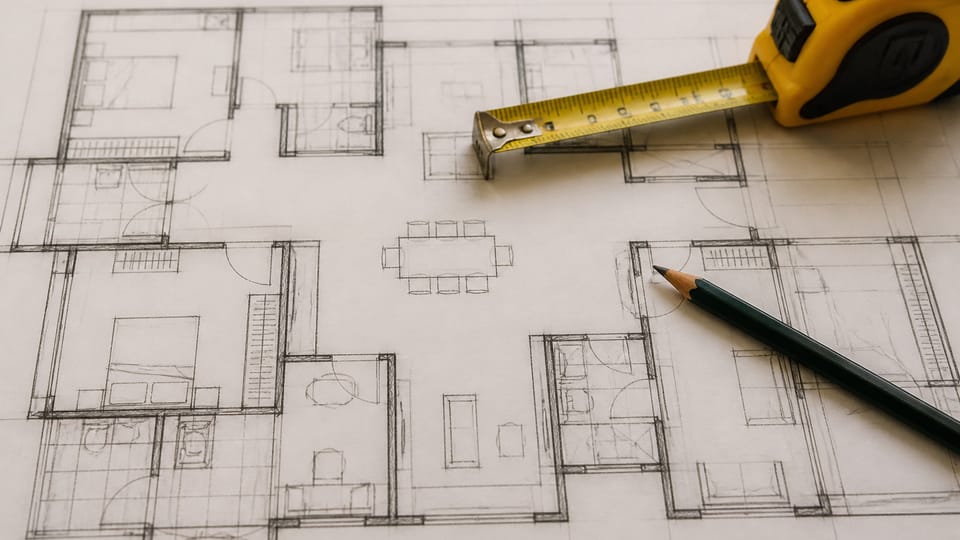
- The plan, with the carpet area marked on each room, so you can check the figure yourself.
What mistakes should I avoid?
This section is practice.
- Comparing two flats on built-up areas when one seller quotes carpet area and the other quotes super built-up area.
- Accepting a figure with no method of measurement.
- Assuming the balcony is counted because the plan shows it.
- Measuring the flat yourself without the plan, and taking the walls out of the figure by mistake.
- Signing before the carpet area is written in the agreement.
Frequently asked questions
Is the carpet area always smaller than the plinth area?
Yes. Carpet area is never more than the plinth area of the same floor, because clause 5.1 deducts the walls from the plinth area and clause 5.2 deducts further portions. Built-up area is not defined in IS 3861 or RERA, so this guide gives no ratio to it.
Does the RERA carpet area include the balcony?
The RERA definition excludes the exclusive balcony or verandah area (section 2(k)). Check the figure in the agreement.
Can I rely on the sale brochure?
This is practice. Check the brochure against the plan and the written agreement. The figure in the agreement is the one to rely on, and the standard’s method is the reference for how it was measured.
Related guides
This guide is general information, not legal advice. Read the disclaimer. Your lawyer and the seller’s agreement decide the area for your purchase.
Sources
- IS 3861:2002, Method of measurement of plinth, carpet and rentable area of buildings. Clauses 2.1 to 2.4, 3.2(e), 4.1.1, 5.1, 5.2 and 5.2.1 and the Foreword read from page images of a public copy. BIS valid to 2027-09-30 per the BIS record. The fractions and percentages in the standard are not reproduced.
- The Real Estate (Regulation and Development) Act, 2016, section 2(k), the definition of carpet area and its explanation, read from the OCR text of a Kerala Gazette reprint on archive.org. The OCR has errors; the quotation needs checking against the official Gazette before publication.
General information only. It is not a structural design or professional advice. Ask a licensed structural engineer or architect to check your plans and site.