
Short answer
What do I do when a gully trap or drain is blocked? Find which fittings drain slowly, then check the gully trap and the cover for debris. IS 1742 defines the gully trap and the chamber built round it, and clause 4.10.3.4 says a gully trap that takes a rainwater pipe shall have a screen. Practice: clear the blockage from the access point with rods or a plunger, do not send a person into a chamber or manhole, and call a plumber if the blockage will not clear.
On this page (7)
A blocked drain is one of the most common and most unpleasant faults in a house. The water stands in the bathroom or the courtyard, and the smell is strong. This guide sets out how to find the blockage, what the Indian building drainage code, IS 1742, says about gully traps and their chambers, and how to clear a blockage safely. It names no chemical, gives no price and recommends no product.
What is a gully trap?
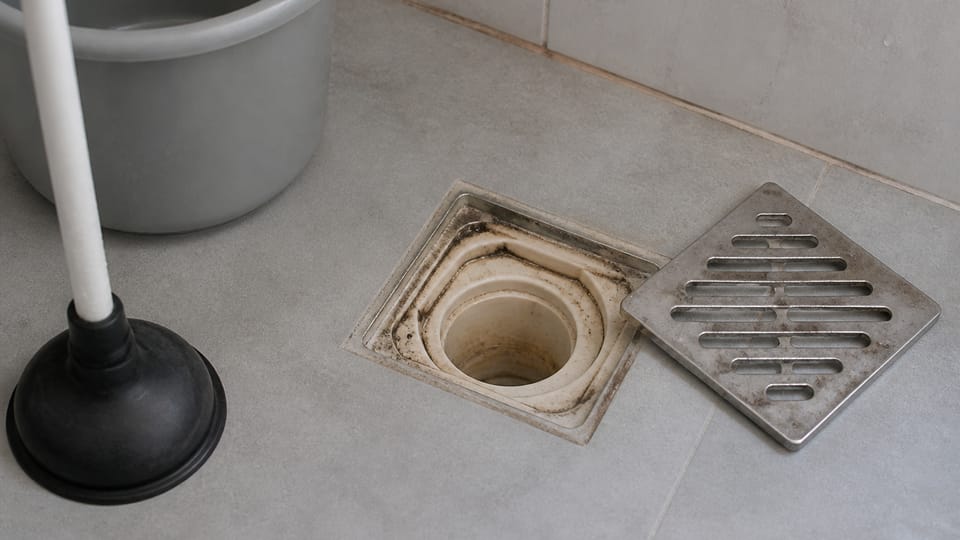
A gully trap is a trap in the drainage system that takes the waste from the floor and the fittings. IS 1742 defines a gully trap as a trap provided in a drainage system with a water seal, fixed to collect waste water from the scullery, kitchen sink, wash basins, baths and rainwater pipes (clause 2.20). It defines a gully chamber as the masonry chamber built round a gully trap to house it (clause 2.19). The water seal is what keeps smell from the drain out of the room.
Where is the blockage?
A blockage can be in the trap, in the fitting above it or in the pipe below. Work from the nearest point outward.
- If one fitting drains slowly and the others are clear, the blockage is likely in that fitting or its trap.
- If several fittings back up together, the blockage is likely in the shared pipe or the gully trap.
- If water comes back up through the gully or the floor outlet, look for a blockage in the drain below.
IS 1742 also covers rainwater. Clause 4.10.3.4 says that where a rainwater pipe has to discharge into a gully trap connected to the street drain, that gully trap shall have a screen and a silt catcher incorporated in its design. This is a design rule. Practice: a missing or blocked screen lets leaves and grit into the drain, so check it first when the rain is the trouble.
How do I clear it safely?
This section is practice, not a code rule.
- Lift the grated cover of the gully trap, if it is safe to do so, and remove the debris you can reach by hand. Wear gloves and do not put your head into the opening.
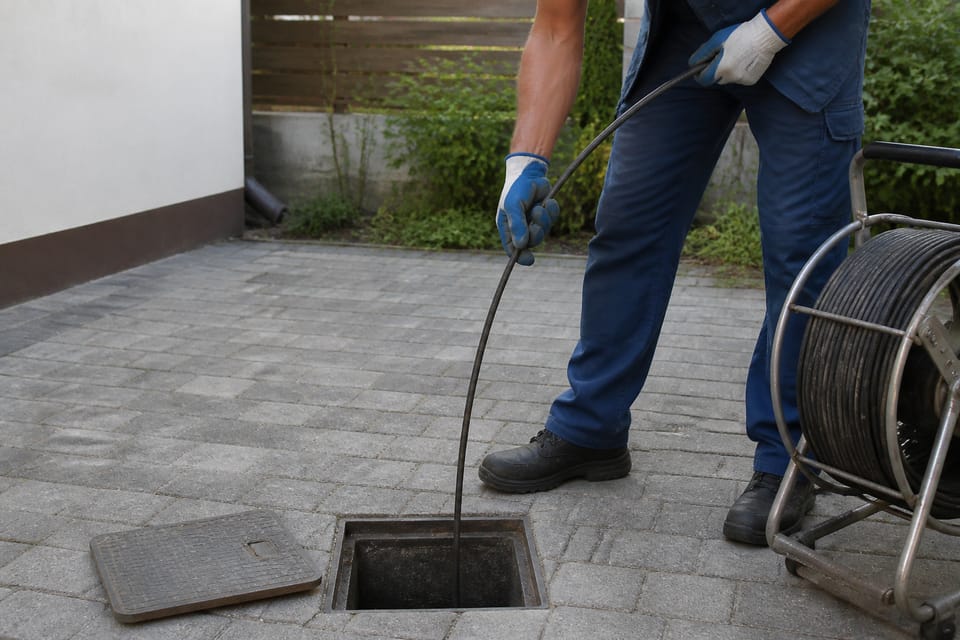
- Use a plunger on the fitting if the water stands in it, and use a drain rod through the access point for the pipe below the fitting.
- Clear the screen on a rainwater gully, so that leaves and silt do not reach the trap.
- Run water through the drain after clearing, and check that the water drains freely and does not come back up.
- If the blockage will not clear, stop and call a plumber rather than forcing the rod.
What should I never do?
This section is practice.
- Do not send a person into a chamber or manhole to clear a blockage. This is practice, not code: IS 1742 (clause 9.2.1) allows entry only for trained crews after gas tests. Gas and debris in a chamber can be dangerous, and the work is for a trained person with the right equipment and help outside.
- Do not pour strong chemicals into a blocked drain without checking the label. They can damage the pipe, and they can be dangerous to mix with other cleaners.
- Do not force a rod through a blockage in a bend, because it can split the pipe.
- Do not ignore a slow drain that keeps coming back. It often means a fault in the pipe or the slope, which needs a plumber to look at.
- Do not leave a gully cover open where children or pets can reach it.
Frequently asked questions
Can I use a drain cleaner instead of a rod?
This is practice: read the product label and follow it. A rod or a plunger clears many blockages without chemicals, and a chemical can harm the pipe. Ask the plumber if you are not sure.
Why does my drain smell?
A dry trap, a blocked vent or a broken seal can let the smell up from the drain. If the trap is dry, fill it with water and check the seal. This is practice; the cause is best confirmed by a plumber.
How often should I clean the screen?
Clean it after heavy rain and whenever leaves or silt collect on it. The frequency depends on the trees and the dust around your house.
Related guides
This guide is general information. Read the disclaimer. Your plumber decides the clearing method for your drain.
Sources
General information only. It is not a structural design or professional advice. Ask a licensed structural engineer or architect to check your plans and site.