
Short answer
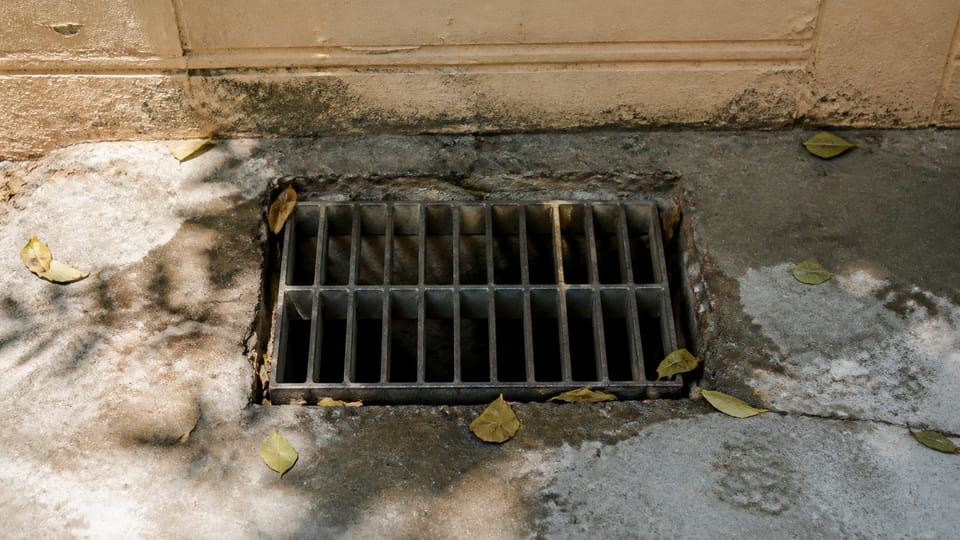
What is a gully trap, and does my house need one? A gully trap is a water-sealed trap outside the house wall that takes waste water from the kitchen, bath and wash basin before it joins the drain. It is part of a two-pipe drainage layout, not every system. It stops air and sewer smell from coming back up through the trap. IS 1742 bars rain water pipes from joining soil or waste pipes or their vents. Whether roof or tank water may join the kitchen and bath gully is for the local plan and the plumber.
On this page (13)
- What is a gully trap?
- Where does it sit?
- Two-pipe or one-pipe?
- What goes into a gully, and what must stay out?
- Why does a gully smell?
- Can I clean it, and who does it?
- Where does the gully water go?
- Is a gully trap the same as a floor trap?
- Is it a road gully?
- What mistakes should I avoid?
- Frequently asked questions
- Related guides
- Sources
A gully trap is the small water-sealed fitting outside a house where the waste water from the kitchen, bath and wash basin joins the drain. It is easy to miss, because it sits at ground level in the yard. But it stops the smell of the drain from coming back into the house, and it is one of the first things to check when a bathroom smells. This guide explains what a gully trap does, where it sits, what goes into it and what must stay out, and what the Indian codes say. It gives no sizes, depths or distances. Your plumber and the local authority set those for your site.
What is a gully trap?
IS 1742, the Indian code for building drainage, defines a gully trap as a trap in a drainage system with a water seal, fixed in a suitable position to collect waste water from the scullery, the kitchen sink, wash basins, baths and rain water pipes (clause 2.20). BMTPC’s digest on sanitary and drainage work describes it as a deep seal trap on the outside face of the wall, which disconnects the waste water from the kitchen, bath, wash basin and floors from the main drainage (Digest 11).
The water in the trap is the seal. It is a barrier that stops air from passing back through the trap (IS 5329, clauses 2.23 and 2.24). Practice: that seal is why a gully stops sewer smell from coming up.
Where does it sit?
A gully trap sits outside the wall of the house, where the waste pipes from the bathroom and kitchen run out and meet the drain. Its water seal is between the house and the drain. The exact place is not set by a number in the codes read here. Practice: it is set on the plan and on the ground, and the plumber and the local body agree it.
The inspection chamber is the next step: IS 1742 describes it as a water-tight chamber in the house drainage system that takes wastes from gully traps, with access for inspection and maintenance (clause 2.23). Practice: keep the grating and the cleaning cover clear and visible, and check them after heavy use.
Two-pipe or one-pipe?
The gully is part of the two-pipe layout. In a two-pipe system, one pipe takes the toilet waste (soil) straight to the drain, and the other takes waste water from the kitchen, bath and wash basin through a trapped gully to the drain (IS 5329, clause 2.20; BMTPC Digest 11). In the one-pipe system, the gully traps and the separate waste pipes are dispensed with, and all the traps are vented instead (IS 5329, clause 2.20). So a gully trap is not in every house. Ask your plumber which system the house uses.
The house drainage guide explains the layouts and the vents in more detail.
What goes into a gully, and what must stay out?
The waste water from the kitchen, bath and wash basin goes in. Rain water does not, unless the local rules allow it:
- A rain water pipe must not connect with a soil pipe, a waste pipe or their vent pipes (IS 1742, clause 4.10.3.6).
- A rain water pipe must not discharge into a sewer unless the authority specifically permits it. If it is permitted, the discharge is intercepted by a gully trap (clause 4.10.3.6).
- Where rain water does go into a gully trap that connects with the street drain, the gully has a screen and a silt catcher built into its design (clause 4.10.3.4).
- A soil pipe must not be connected with a rain water pipe, and there must be no trap in a soil pipe, or between it and the drain it connects to (IS 5329, clause 6.6.3).
Practice: do not connect the water-tank overflow or roof rain water to the kitchen and bath gully unless the local drainage plan allows it. The water tank guide explains the overflow rule.
Why does a gully smell?
A gully smells when its water seal has gone. In practice, the seal can dry out in a dry season, when no water has run through the trap for a long time. It can also be blocked by grease, hair or solid waste, so that the water stands or drains slowly. IS 5329 says traps should be of a self-cleansing pattern, with a uniform bore and a smooth surface (clause 6.5.2). Practice: a trap that smells, gurgles or is dry needs the plumber to check the seal and the vent.
Can I clean it, and who does it?
The codes require that traps can be reached for cleaning. IS 5329 says traps should be conveniently accessible and provided with cleaning eyes or other means of cleaning (clause 6.5.3). IS 1742 defines a cleaning eye as an access opening in a pipe or fitting, with a removable cover, that lets you clear an obstruction (clause 2.7).
Practice: keep the cover free of soil and paving, and ask your plumber to show you how to open and clean it. Keep grease out of the kitchen sink.
Where does the gully water go?
The waste water from the gully goes to the drain and on to the sewer or the septic system. Where it goes after that depends on your area. The soak pit and septic tank guide explains the choices, and toilet waste goes to a different route from sullage.
| Trap | Where it sits | What it takes |
|---|---|---|
| Fixture trap | Under each sink, basin or bath outlet | Waste from that one fixture |
| Floor trap | Inside a wet area, under the floor, with a grating | Waste from several fixtures in that area |
| Gully trap | Outside the house wall, where the waste lines meet the drain | Kitchen, bath and wash basin waste (not toilet soil) |
Is a gully trap the same as a floor trap?
No. A floor trap is inside the wet area, under the floor, with a grating at the top. A gully trap is outside the building, at the point where the waste lines meet the drain. Each fixture has its own trap as well, under the sink or the basin. IS 5329 says that when a connection is made through a floor trap, no separate seal is needed for each fixture (clause 6.5.4, note to Table 2). The bathroom waterproofing guide explains the floor trap in a wet area.
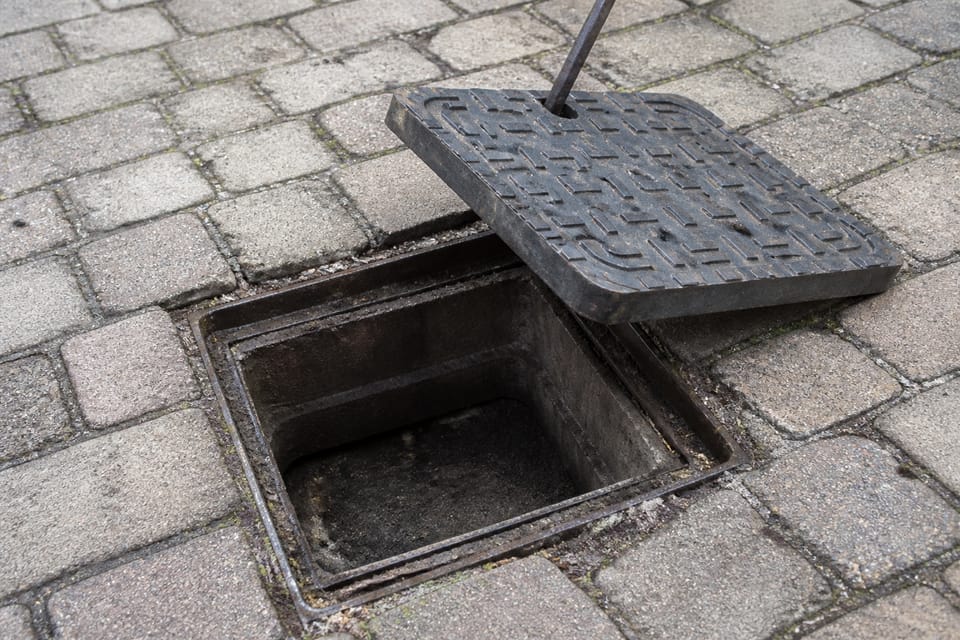
Is it a road gully?
No. Practice: a gully on a road or pavement is usually a surface inlet for storm water. The trap outside a house is a sealed fitting on the waste line, with a water seal, and it takes household waste water.
What mistakes should I avoid?
Practice points:
- Connecting roof rain water or the tank overflow to the kitchen and bath gully.
- Paving over the cover, so it cannot be opened.
- Letting the seal dry out in a house that is shut up for a long time.
- Putting grease and solids down the kitchen sink.
- Leaving the gully out of the plan, so that the plumber cannot place it.
Frequently asked questions
Does every house need a gully trap?
No. A two-pipe layout uses one; a one-pipe layout does not. Ask your plumber which the house uses.
Where should it be placed?
IS 1742 clause 4.3.4.5: where there is a risk of the sewer surcharging in storm conditions, gullies and sanitary fittings should be above the maximum surcharge level; where that is not practicable, an anti-flood valve goes in the manhole nearest the junction of the drain and sewer. The plumber and the local body decide the exact place.
Can rain water go into it?
Not in general. Rain water must not join a soil pipe, a waste pipe or their vent pipes. It may go into a sewer only if the authority permits, and then through a gully trap (IS 1742, clause 4.10.3.6).
Who decides the layout?
Practice: the architect or engineer shows it on the drawing, the plumber installs it, and the local body approves the plan. Check the layout before the trench is filled.
Related guides
This guide is general information. Read the disclaimer. Your plumber and your local authority decide the gully position and the drain route for your house.
Sources
- IS 1742:1983, Code of Practice for Building Drainage (second revision; BIS listing: not withdrawn). Clauses 2.7, 2.20, 2.23, 2.44, 4.3.4.5, 4.10.3.4, 4.10.3.6 and 4.10.5.2 read.
- IS 5329:1983, Code of Practice for Sanitary Pipe Work Above Ground for Buildings (BIS listing: not withdrawn). Scope, clauses 2.20, 2.23, 2.24, 6.4, 6.5.1 to 6.5.4 (with the note under Table 2), 6.7.1, 6.7.2, 7.2.4 and 7.3.2 read. Its scope is above-ground pipework only.
- BMTPC, House Building Digest 11 (Sanitary and Drainage), government text: definition of the gully trap and the one-pipe and two-pipe layouts.
General information only. It is not a structural design or professional advice. Ask a licensed structural engineer or architect to check your plans and site.