
Short answer
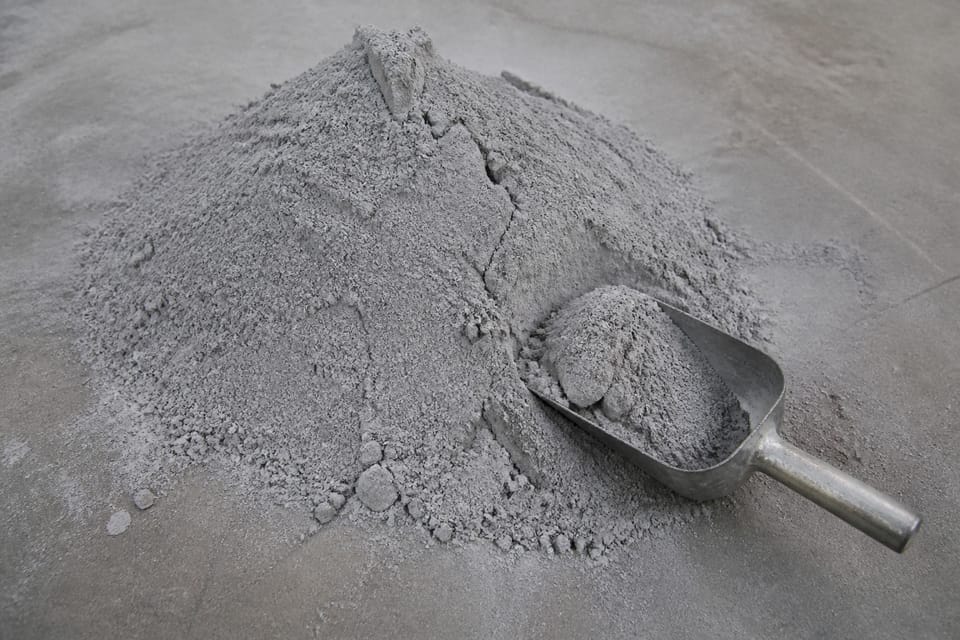
What is fly ash and what can it be used for? Fly ash is the fine powder collected from the flue gas of a coal-burning power plant. IS 3812 defines it and covers two uses: as a pozzolana in cement, mortar and concrete (Part 1), and as an admixture in cement mortar and concrete (Part 2). Ask the supplier for the test certificate to IS 3812 for the batch you buy.
On this page (8)
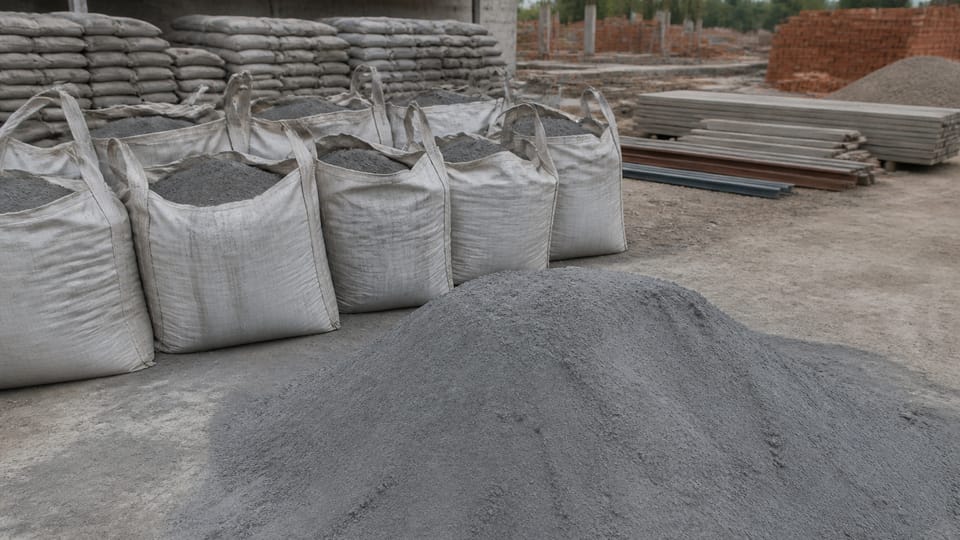
Fly ash is a material that many owners hear about and few see. It is a by-product of burning coal, and it is used in cement, in concrete and in some bricks. This page says what the Indian standard IS 3812 means by fly ash, how it differs from bottom ash, and what to ask for before you buy. It gives no price and no strength figure, and it does not rank cement or bricks.
What is fly ash?
IS 3812 (Part 1) defines fly ash as “pulverized fuel ash extracted from flue gases by any suitable process such as by cyclone separator or electro-static precipitator” (clause 3.3). In plain words, it is the fine ash carried up a power-plant chimney with the smoke and collected before it leaves the stack. Part 2 uses the same definition (clause 3.4).
Fly ash is not the same as bottom ash. IS 3812 defines bottom ash as “pulverized fuel ash collected from the bottom of boilers by any suitable process” (clause 3.1). The two are different materials, and a supplier should say which one you are buying.
The standard also names pond ash and mound ash, both mixes of fly ash or bottom ash, or both, in any proportion. Pond ash (clause 3.5) is carried as water slurry and deposited in a pond or lagoon. Mound ash (clause 3.4) is carried and deposited dry. These clause numbers are from Part 1; Part 2 numbers them 3.6 and 3.5. Pond or mound ash can contain bottom ash, so it is not the same as fly ash from the collector.
What are the two types of fly ash?
IS 3812 splits fly ash by its calcium oxide content. The split is in clauses 3.2 and 3.9:
- Calcareous fly ash has reactive calcium oxide of not less than 10 percent by mass. The standard says it is normally from lignite or sub-bituminous coal, and that it is pozzolanic and hydraulic.
- Siliceous fly ash has reactive calcium oxide of less than 10 percent by mass. The standard says it is normally from anthracite or bituminous coal, and that it is pozzolanic.
The standard does not say which type suits which use. Your cement or concrete supplier decides that, and your engineer checks it against the job.
How is fly ash used?
IS 3812 covers two uses:
| Part | What the standard covers | Where the fly ash goes |
|---|---|---|
| Part 1 (IS 3812 (Part 1):2013) | Fly ash for use as a pozzolana in cement, cement mortar and concrete | Part of the cement, or part of the cement in mortar and concrete |
| Part 2 (IS 3812 (Part 2):2013) | Pulverized fuel ash (fly ash, bottom ash, pond ash or mound ash) for use as an admixture in cement mortar and concrete | Added to the mix as an admixture |
Part 1 is the link to blended cement. Its scope is fly ash “for use as pozzolana for manufacture of cement” (clause 1.1). The blended cement that uses it is Portland pozzolana cement (PPC). The OPC, PPC and PSC page explains the cement types.
IS 10153 gives guidelines for the utilization of fly ash. The brick uses are covered on the cement bricks and fly ash brick pages.
What should I ask the supplier for?
IS 3812 places the responsibility on the maker. Clause 12 says the manufacturer “shall satisfy himself that the fly ash conforms to the requirements of this standard” and, if asked, must supply “a certificate to this effect giving actual results”. Clause 13.1 asks the bag or consignment to be marked “Fly Ash” and as calcareous or siliceous. Ask for:
- The test certificate to IS 3812 for the batch you are buying, with the date. Clause 13.1 asks for the batch or control unit number on the bag or consignment, so ask which batch the certificate covers.
- The type of fly ash, calcareous or siliceous, and which of the four forms it is: fly ash, bottom ash, pond ash or mound ash.
- The fly ash content in the cement or concrete mix, as the supplier states it.
Check that the certificate is for the batch in your store, not for an earlier batch.
What mistakes should I avoid?
- Buying fly ash without a certificate. The standard expects a certificate on request (clause 12). Ask for it before you pay. This is practice.
- Calling bottom ash fly ash. The standard keeps them apart. Ask which one the bag or tanker holds. This is practice, backed by clause 3.1.
- Taking a percentage from a shop board. A percentage for a cement or a mix is a supplier’s statement. Ask for it in writing, with the test it came from. This is practice.
- Using fly ash as a substitute for the mix design. The codes give the mix rules; fly ash does not change them by itself. This is practice.
Frequently asked questions
Is fly ash harmful?
The standards do not describe fly ash as harmful or safe. They set the requirements a fly ash must meet for use in cement or concrete. Handle the powder with dust control, as with any fine powder, and ask the supplier for its safety data. This is practice.
Is fly ash the same as bottom ash?
No. Fly ash is collected from the flue gas; bottom ash is collected from the bottom of the boiler (IS 3812 clauses 3.1 and 3.3).
Can fly ash be used in concrete?
IS 3812 Part 1 covers fly ash as a pozzolana for manufacture of cement and for part replacement of cement in cement mortar and concrete (clause 1.1). IS 3812 Part 2 covers pulverized fuel ash, including fly ash, as an admixture in cement mortar and concrete (clauses 1.1 and 1.2). IS 10153 gives guidelines for the utilization of fly ash. Your engineer decides whether a fly ash mix suits the job.
Which grade of fly ash should I buy?
IS 3812 (2013) does not use grades. It uses the calcareous and siliceous split. The older grade wording is out of date.
Related guides
- OPC, PPC and PSC: the types of cement
- Cement bricks vs red bricks: what a fly ash cement brick is under IS 16720
- Fly ash brick quality: what IS 12894 requires and how to check
- Micro silica (silica fume) in concrete: what IS 15388 asks of it
This guide is general information. Read the disclaimer. Your engineer decides which cement, concrete or brick suits your house.
Sources
- IS 3812 (Part 1):2013, Pulverized Fuel Ash, Specification, Part 1: For Use as Pozzolana in Cement, Cement Mortar and Concrete (third revision): clause 1.1 (scope), 3.1 (bottom ash), 3.2 (calcareous fly ash), 3.3 (fly ash), 3.9 (siliceous fly ash), 12 (manufacturer's certificate).
- IS 3812 (Part 2):2013, Pulverized Fuel Ash, Specification, Part 2: For Use as Admixture in Cement Mortar and Concrete (third revision): clause 1.1 (scope), 3.4 (fly ash definition).
- IS 10153:2021, Utilization of Fly Ash: Guidelines (first revision): title and scope. Used only for the scope; its brick clauses are covered on the walls pages.
Change log
- : Added Related guides link to newly published article(s): micro-silica-silica-fume-in-concrete-what-it-is-and-what-is-15388-asks. No other text changed. Approved by the reviewing engineer.
General information only. It is not a structural design or professional advice. Ask a licensed structural engineer or architect to check your plans and site.